Ayahuasca Retreat Miami | Authentic Shipibo Healing Florida
Transformative Ayahuasca Ceremonies in Miami Led by Indigenous Shipibo Shamans from Peru.
Ayahuasca Retreat Miami | Authentic Shipibo Healing Florida
Transformative Ayahuasca Ceremonies in Miami Led by Indigenous Shipibo Shamans from Peru.
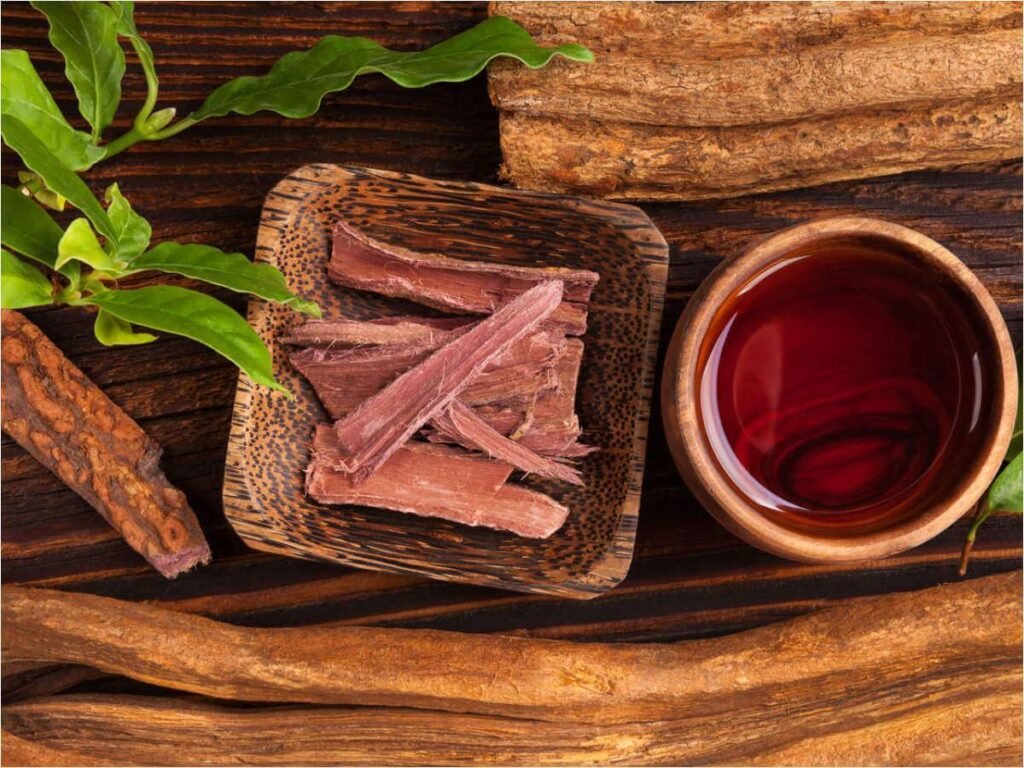
Amazonian plant medicine: First and foremost, sacred medicines define the Ayahuasca healing journey. These plants form a living tradition that indigenous Shipibo healers from the Peruvian Amazon have passed down through generations. At Ayahuasca Retreat Miami, we do not view these medicines as mere substances; instead, we honor them as intelligent plant allies within a structured, ceremonial context.
The UNESCO Intangible Cultural Heritage database formally recognizes the traditional medicine of the Shipibo-Konibo people as a vital cultural treasure, highlighting the profound depth of this ancestral lineage.
This page provides an educational overview of the sacred medicines used in traditional Shipibo healing and explains their role within the broader Ayahuasca journey.
All sacred medicine work at Ayahuasca Retreat Miami takes place at the Patch of Heaven Sanctuary in Miami, Florida, under the guidance of experienced indigenous healers.
In Amazonian traditions, sacred medicines are plants with healing intelligence. Healers use them to restore balance within the body, mind, and spirit. Because practitioners approach these plants with reverence and discipline, they never separate the medicine from ceremony or integration.
Specifically, seekers use sacred medicines to:
Support physical cleansing and vitality.
Release emotional and energetic blockages.
Restore spiritual alignment.
Strengthen the nervous and immune systems.
Promote clarity and inner awareness.
It is important to note that these plants are not shortcuts. According to the American Botanical Council, the study of ethnobotany reveals that these plants contain complex alkaloids that interact with the human body in multifaceted ways, requiring respect and expert guidance.
Ayahuasca serves as the central sacred medicine in Shipibo traditions. In addition, trained healers always guide Ayahuasca ceremonies to ensure participants work with the effects safely. Modern research indexed in PubMed Central explores how the synergistic effect of the Banisteriopsis caapi vine and Psychotria viridis leaf facilitates deep psychological processing and emotional breakthrough.
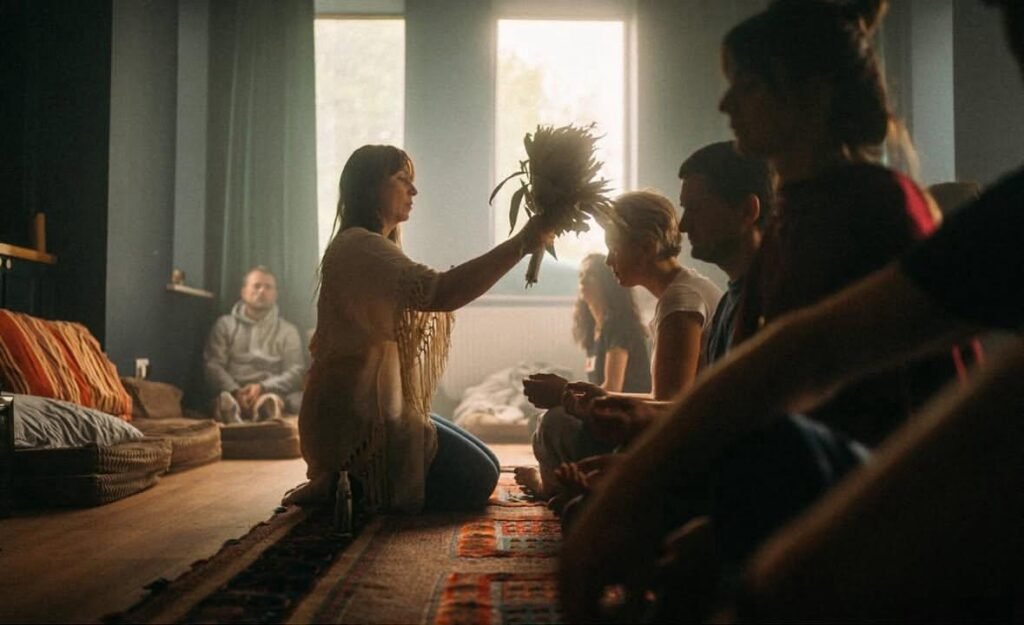
Sacred medicines only work effectively when expert knowledge guides their use. Shipibo shamans undergo decades of training through plant apprenticeships and ceremonial practice. As a result, their role includes:
Diagnosing energetic and emotional imbalances.
Selecting the most appropriate plant allies for the individual.
Guiding the healing process through Icaros (sacred songs).
Providing energetic protection and grounding.
Ultimately, this expert guidance maintains the safety, integrity, and depth of the work.
The Chacruna Institute for Psychedelic Plant Medicines provides extensive resources on the importance of indigenous lineage and the ethical protection of these sacred traditions in a globalized world.
Ensuring balance throughout the healing journey
This guidance is essential to maintaining safety, integrity, and depth in sacred medicine work.
While Ayahuasca is central, it belongs to a broader system of plant allies. These plants support specific aspects of health and work alongside the ceremony.
Master Plants: Certain plants specifically support nervous system balance and emotional resilience. In this way, they act as subtle teachers that work progressively over time.
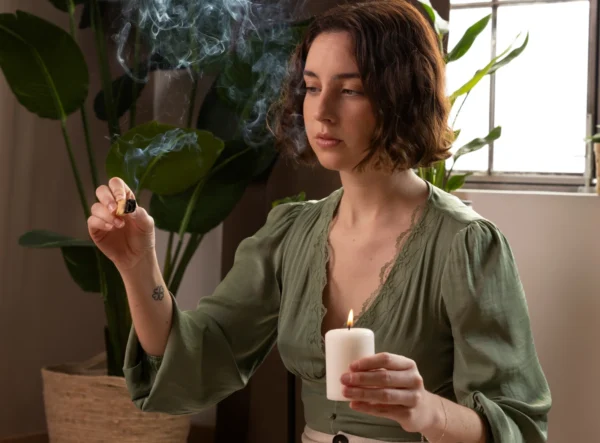
Medicinal Cleansing: Other plants facilitate energetic plant baths, detoxification vapors, and smoke baths for protection.
Each plant serves a specific purpose within our clear ceremonial framework.
The Warihö Project and similar ethnobotanical studies (via ICEERS) document the hundreds of “adjunct” plants used in the Amazonian pharmacopeia to support long-term healing and resilience.
Other sacred plants are traditionally used in:
Plant baths for energetic cleansing
Vapor baths for detoxification
Smoke baths for protection and grounding
Digestive and blood cleansing practices
Each plant has a specific purpose and is used within a clear ceremonial framework.
Because sacred medicines are not isolated experiences, they function best within a three-stage journey:
Retreat Preparation: You prepare the body, mind, and spirit.
Receiving Treatment: You engage in ceremonial and plant-based healing.
Integration: You ground your new insights into daily life.
Without this framework, the medicines lose their context. You can learn more about the psychological importance of this structure through the Psychedelic Support Network.
At Ayahuasca Miami, ethical practice and cultural respect guide every session. To ensure your well-being, we utilize participant screening and clear preparation guidelines. Moreover, we never force or rush the healing process. Instead, healing unfolds through relationship, patience, and respect.
In the Shipibo tradition, sacred medicines do not simply “fix” problems. Instead, they:
Reveal underlying imbalances.
Offer profound insight and awareness.
Encourage personal responsibility and conscious change.
True healing occurs only when you integrate these insights into your daily life.
In conclusion, we honor these traditions because they carry ancestral wisdom and require deep responsibility. By rooting our retreats in authentic tradition rather than modern trends, we provide the safety and guidance that every participant deserves.
Continue your journey today at the Patch of Heaven Sanctuary in Miami, Florida. Explore our full Healing Journey to learn more about preparation and integration.
Sacred medicines are part of a living lineage of healing that invites humility, courage, and self-awareness. When approached respectfully, they can support deep and lasting transformation.
Patch of Heaven Sanctuary, Miami, Florida
www.ayahuascaretreatmiami.com
Explore the full Healing Journey, or continue learning about Retreat Preparation, Receiving Treatment, and Integration.
Amazonian plant medicine